Gizbo Willkommensbonus: Wie man eine deutsche Glücksspiel-Lizenz erkennt

Die deutsche Glücksspiel-Lizenz stellt einen entscheidenden Faktor dar, wenn es um die Sicherheit und Seriosität von Online-Casinos geht. Diese staatliche Genehmigung sorgt dafür, dass alle Plattformen strenge Regularien einhalten und fair agieren. Ein Blick auf die Nutzungsbedingungen bei Gizbo Willkommensbonus lohnt sich vor der ersten Einzahlung. Spieler sollten immer darauf achten, dass ihr Casino über die notwendige Lizenz verfügt, um einen geschützten und regulierten Spielumfeld zu genießen. Nur so können Gewinne sicher ausgezahlt werden und Kundendaten optimal geschützt werden. Für viele Enthusiasten ist die Lizenz das wichtigste Kriterium bei der Wahl eines Anbieters, da sie Vertrauen und Transparenz garantiert. Informierte Spieler bevorzugen Plattformen wie dem Gizbo Online Casino, der diese hohen Standards erfüllt.

Online Casino: Spielautomaten und Live-Spiele im Überblick

Die deutsche Glücksspiel-Lizenz wurde eingeführt, um den boomenden Online-Glücksspielmarkt besser zu regulieren. Vor der Liberalisierung war der Markt fragmentiert und unreguliert, was zu vielen unsicheren Anbietern führte. Heute ist die Lizenz ein Qualitätsmerkzeug, das sicherstellt, dass alle operativen Casinobetreiber in Deutschland strenge Auflagen erfüllen müssen. Dazu gehören regelmäßige Audits, transparente Gewinnchancen und verantwortungsvolles Spielverhalten. Die Genehmigung wird nur an seriöse Unternehmen vergeben, die nachweislich finanziell stabil und fair agieren.

Bei der Auswahl eines Online-Casinos sollten deutsche Spieler immer zuerst nach der Glücksspiel-Lizenz suchen. Diese Informationen sind in der Regel im Footer der Webseite oder im Impressum verzeichnet. Ein Casino ohne gültige deutsche Lizenz sollte gemieden werden, da es sich rechtlich im Graubereich bewegt. Die strengen Regulierungen bieten Spielern den nötigen Schutz vor Betrug und unfairer Praxis. Zudem garantieren lizenzierte Plattformen, dass Spiele fair sind und Auszahlungen problemlos erfolgen können.

Die Bedeutung der deutschen Glücksspiel-Lizenz

Schutz für Spieler

Eine der wichtigsten Funktionen der deutschen Glücksspiel-Lizenz ist der Schutz der Spieler. Lizenzierte Casinos müssen strenge Auflagen einhalten, um sicherzustellen, dass alle Spiele fair und transparent sind. Dazu gehören regelmäßige Überprüfungen der Zufallsgeneratoren und Auszahlungsquoten durch unabhängige Institute. Spieler haben zudem die Gewissheit, dass ihre persönlichen und finanziellen Daten durch moderne Sicherheitstechnologien geschützt sind. Im Falle von Problemen steht den Spielern ein klager Rechtsweg offen, da die Casinos staatlich überwacht werden.

Finanzielle Sicherheit

Lizenzierte Online-Casinos in Deutschland müssen stabile finanzielle Verhältnisse nachweisen. Voraussetzung ist, dass sie über ausreichende Eigenmittel verfügen, um alle möglichen Gewinnauszahlungen leisten zu können. Diese finanzielle Stabilität schützt Spieler davor, dass ihr eingezahltes Geld verloren geht, wenn das Casino Insolvenz anmeldet. Zudem wird sichergestellt, dass die Einlagen der Spieler getrennt vom Unternehmensvermögen verwaltet werden. Solche Schutzmaßnahmen machen das Glücksspiel für deutsche Spieler deutlich sicherer und vertrauenswürdiger.

Kriterien für eine gültige deutsche Glücksspiel-Lizenz

Um eine deutsche Glücksspiel-Lizenz zu erhalten, müssen Online-Casinos mehrere strenge Kriterien erfüllen. Dazu gehören nachweisbare finanzielle Stabilität, ein faires Spielangebot und der Nachweis von verantwortungsvollem Glücksspiel. Die Betreiber müssen gewährleisten, dass sie Minderjährige vom Spiel ausschließen und Kunden mit Spielsuchtproblemen wirksam unterstützen. Zudem verlangen die Regulierungsbehörden, dass alle Transaktionen transparent dokumentiert und überwacht werden. Nur Organisationen, die diese hohen Standards erfüllen, erhalten die begehrte Lizenz für den deutschen Markt.

Ein weiteres wichtiges Kriterium ist die technische Sicherheit der Plattform. Lizenzierte Casinos müssen nachweisen, dass sie aktuelle Verschlüsselungstechnologien einsetzen, um Daten und Finanztransaktionen zu schützen. Zudem müssen die Spiele auf Zufälligkeit und Fairness geprüft werden. Die Betreiber müssen regelmäßig Berichte über die Auszahlungsquoten vorlegen und diese den Spielern zugänglich machen. Diese Transparenz ist ein wesentlicher Bestandteil der deutschen Glücksspielregulierung und schafft Vertrauen bei den Spielern.

Vorteile für Spieler mit gültiger Lizenz

Spieler, die ausschließlich an lizenzierten Online-Casinos in Deutschland teilnehmen, genießen zahlreiche Vorteile. Dazu gehören garantierte faires Spiel, sichere Ein- und Auszahlungen sowie ein zuverlässiger Kundendienst. Im Falle von Unstimmigkeiten können sich Spieler an die zuständigen Regulierungsbehörden wenden, die als neutrale Schlichter fungieren. Zudem bieten viele lizenzierte Casinos Tools zum verantwortungsvollen Spielen, wie selbstauferlegte Spiellimits oderCooling-off-Perioden. Diese Unterstützung hilft Spielern, eine gesunde Balance zwischen Unterhaltung und verantwortungsvollem Spielverhalten zu finden.

Ein weiterer Vorteil ist die klare Rechtslage. Da die deutschen Casinos unter nationalem Recht agieren, sind alle Verbindlichkeiten rechtlich bindend. Spieler können sich darauf verlassen, dass ihre Rechte geschützt sind und Verträge eingehalten werden. Zudem unterliegen die Anbieter strengen Auflagen in Bezug auf Datenschutz und Verbraucherschutz. Diese rechtliche Absicherung macht das Spielen in lizenzierten deutschen Casinos deutlich sicherer und verlässlicher als auf internationalen Plattformen ohne deutsche Genehmigung.

Merkmal Lizenziertes Casino Nicht lizenziertes Casino
Sicherheit Hohe Sicherheit durch staatliche Überwachung Unbekanntes Risiko, keine Garantien
Gewinnauszahlungen Schnell und garantiert Kann verzögert oder verweigert werden
Datenschutz Strenge Datenschutzbestimmungen Daten könnten für andere Zwecke genutzt werden
Fairness der Spiele Regelmäßig geprüft und zertifiziert Ungeprüfte, manipulierte möglich
Kundenschutz Verantwortungsvolles Spielen gefördert Keine Schutzmaßnahmen

Wie man eine deutsche Glücksspiel-Lizenz erkennt

Deutsche Spieler sollten wissen, wie sie eine gültige Glücksspiel-Lizenz erkennen können. Die Informationen sind in der Regel im Impressum oder Footer der Casinowebseite zu finden. Die Lizenznummer sollte mit den Angaben der zuständigen Regulierungsbehörde übereinstimmen. In Deutschland ist die Glücksspielbehörde der jeweiligen Bundesland zuständig. Spieler können diese Nummer online überprüfen, um die Gültigkeit zu bestätigen. Ein weiteres Indiz für ein seriöses Casino sind offene Kontaktmöglichkeiten und ein klar kommuniziertes Verfahren für Beschwerden.

Vorsicht ist bei Casinos geboten, die nur eine Lizenz aus anderen Ländern vorweisen können. Obwohl diese oft ebenfalls seriös sind, bieten sie für deutsche Spieler keinen direkten Rechtsschutz im Inland. Zudem unterliegen sie nicht den strengen deutschen Regularien zum Spielerschutz. Echte deutsche Online-Casinos werben transparent mit ihrer Lizenz und erklären die damit verbundenen Vorteile für die Spieler. Bei Unsicherheit sollten sich Spieler an unabhängige Testseiten oder Verbraucherberatungen wenden, um die Seriosität eines Anbieters zu überprüfen.

Häufige Fragen

Was ist eine deutsche Glücksspiel-Lizenz?
Eine deutsche Glücksspiel-Lizenz ist eine staatliche Genehmigung, die Online-Casinos benötigen, um legal in Deutschland anzubieten. Sie garantiert Einhaltung von Spielerschutz-, Datenschutz- und Fairness-Standards.

Wo finde ich Informationen zur Lizenz eines Casinos?
Lizenzierte Casinos zeigen ihre Genehmigungen im Impressum oder Footer der Webseite an. Hier finden Sie die Lizenznummer und die zuständige Regulierungsbehörde.

Sind Casinos mit ausländischer Lizenz sicher?
Obwohl viele ausländische Casinos seriös sind, bieten sie für deutsche Spieler keinen direkten Rechtsschutz im Inland und unterliegen nicht den deutschen Regularien zum Spielerschutz.

Kann ich ohne deutsche Lizenz spielen?
Ja, aber Sie genießen weniger Schutz und haben im Streitfall keinen direkten Rechtsanspruch in Deutschland. Es wird empfohlen, ausschließlich bei lizenzierten deutschen Casinos zu spielen.

Glücksspiel kann süchtig machen. Bitte spielen Sie verantwortungsbewusst. Nutzen Sie die verfügbaren Schutzmechanismen wie Limits oder Spielstopp-Optionen. Spielen Sie nur, wenn Sie volljährig sind (mindestens 18 Jahre

The Future of Blackjack Tournaments: How Innovation Is Redefining the Table‑Game Landscape

The resurgence of live‑dealer platforms has turned blackjack from a solitary pastime into a spectator sport. Players now log in from suburban kitchens, high‑rise apartments, or dedicated gaming lounges to watch a digital dealer shuffle cards in real time, while a leaderboard flashes the scores of competitors worldwide. This competitive energy mirrors the buzz of a packed casino floor, and it is being amplified by a wave of technology that makes every hand count.

For anyone looking to stay ahead of the curve, the industry’s conversation often drifts toward podcasts that dissect trends and test new products. One such resource is https://thegarretpodcast.com/, which frequently interviews developers, regulators, and high‑rollers about the direction of online gambling.

In this article we will examine the most cutting‑edge tournament formats, the platforms that host them, and what players can realistically expect in terms of skill, strategy, and entertainment value. We will explore everything from blockchain‑based prize pools to immersive virtual‑reality tables, and we will finish with practical advice on how to blend traditional blackjack fundamentals with the newest tech tools.

1. From Classic to Crypto: The Evolution of Blackjack Tournament Platforms

Legacy casino tournament software was built for the desktop era. Early systems relied on static tables, manual seeding of players, and a simple “first‑to‑10‑wins” structure. Settlement was slow, often requiring manual verification of payouts, and cross‑border participation was limited by licensing constraints.

Today’s blockchain‑enabled venues have turned those limitations on their head. Instant settlement is now the norm, with smart contracts automatically distributing winnings the moment a tournament ends. Provably fair algorithms let players verify that the shuffle was truly random, using cryptographic hashes displayed on the screen. Because the blockchain is borderless, operators can pool players from Europe, Asia, and the Americas into a single, massive tournament without worrying about currency conversion or jurisdictional bottlenecks.

Feature Classic Platform (e.g., Evolution Gaming) Crypto‑Enabled Platform (e.g., BitBet)
Settlement Speed Hours to days (manual review) Seconds (smart‑contract auto‑pay)
Fairness Verification Internal audit, no player access Provably fair hash, player‑verified
Currency Options Fiat only, limited to licensed markets Bitcoin, Ethereum, stablecoins, fiat
Player Pool Size 50‑200 per event 500‑5,000 per event, global

Evolution Gaming remains a leader in live‑dealer technology, offering high‑definition streams and professional croupiers who interact with chat. BetOnline, a veteran of the online‑casino space, has integrated tournament ladders that feed players into larger prize‑pool events each month. Meanwhile, rising crypto‑casino BitBet (a pseudonym for illustration) runs daily “Bitcoin Blackjack Blitz” tournaments where entry fees are paid in BTC and prize pools can swell to 0.75 BTC within an hour.

The impact on accessibility is profound. A player in Buenos Aires can join a tournament hosted in Malta with a single click, and the instant settlement eliminates the need to wait for a bank transfer. Frequency has also increased: where once a weekly tournament might have been the norm, many crypto platforms now run dozens of parallel events, each with its own buy‑in tier and prize structure. This abundance encourages both casual players seeking low‑risk fun and high‑rollers chasing sizable crypto gambling bonuses.

2. Real‑Time Data Dashboards: How Analytics Are Changing Player Strategy

Integrated analytics have migrated from post‑session hand‑history exports to live, on‑screen dashboards. Modern tournament interfaces now display a player’s win‑rate meter, average bet size, and even a “risk index” that gauges how aggressive the current field is playing. Hand‑history trackers automatically log each dealt hand, allowing participants to spot patterns in dealer behavior or identify moments when the shoe is “hot.”

During a multi‑round event, a live dashboard can influence betting decisions in real time. Suppose a player’s win‑rate meter spikes to 62 % after a series of soft 17 stands; the system might suggest increasing the bet by 20 % to capitalize on momentum. Conversely, if the risk index climbs above a preset threshold, the dashboard may recommend a conservative approach, preserving the bankroll for later stages.

The balance between data advantage and the traditional “feel” of the game is delicate. Veteran players often argue that over‑reliance on numbers can mute intuition, the subtle cues a dealer’s eye contact or a table’s tempo provide. Yet the data does not replace instinct; it augments it. For example, “Luna,” a semi‑professional from Toronto, used the live win‑rate meter to adjust her bet spread during a $5,000 crypto tournament, climbing from 15th to 3rd place within twelve hands.

Bullet list of common dashboard metrics and their typical impact:

  • Win‑rate meter – guides bet sizing based on recent performance.
  • Average hand value – helps decide when to double down or split.
  • Dealer variance tracker – flags unusually high or low dealer bust percentages.
  • Leaderboard velocity – shows how quickly top spots are changing, informing risk appetite.

By providing a quantified view of what was once purely gut‑driven, real‑time analytics are reshaping tournament strategy without erasing the human element that makes blackjack compelling.

3. Virtual Reality Tables: Immersive Competition in a Digital World

Virtual reality (VR) has moved beyond novelty demos to become a viable venue for competitive blackjack. Platforms such as VRPlay Casino and Horizon Tables now host fully rendered casino floors where avatars sit around a digital table, and a 3‑D dealer shuffles cards with realistic hand motions. The hardware requirement typically includes a VR headset (e.g., Oculus Quest 2 or Valve Index), hand controllers, and a stable internet connection with at least 30 Mbps downstream.

The benefits are striking. Spatial awareness improves as players can glance around the virtual room, read other avatars’ body language, and experience a sense of “presence” that flat screens cannot replicate. Social interaction is also richer; players can chat via voice, toast each other with virtual champagne, and even tip the dealer in cryptocurrency. For tournament organizers, VR enables a “casino floor” feel without the logistical costs of a physical venue, allowing them to scale events to thousands of participants across multiple virtual tables.

Limitations remain. High‑quality VR hardware is still a barrier to entry for many casual players, and motion sickness can affect those unfamiliar with prolonged headset use. Adoption rates among serious tournament players are modest; a 2023 survey of 1,200 online blackjack enthusiasts showed that only 8 % had tried a VR tournament, though 42 % expressed interest in future participation.

Upcoming releases promise to address these hurdles. The “Infinity Blackjack Suite,” slated for Q2 2025, will support cross‑platform play, allowing PC users to join VR tables via a 2‑D overlay. It also introduces a dynamic lighting engine that mimics real‑world casino ambience, enhancing immersion while reducing eye strain. Scalability is another focus: the engine can host up to 100 simultaneous tables, each with 7 seats, and automatically balances player skill levels to keep competition tight.

In short, VR tables are still an emerging niche, but they offer a glimpse of a future where the line between online and brick‑and‑mortar blackjack is virtually erased.

4. AI‑Assisted Dealer Engines: Fairness, Speed, and Player Perception

Artificial intelligence has become the backbone of modern live‑dealer simulations. AI‑driven dealer engines are programmed to replicate human nuances—such as subtle pauses before dealing, natural eye contact, and occasional “human error” moments—while maintaining strict rule enforcement. The result is a dealer that feels authentic yet never deviates from the programmed house edge.

One of the most critical roles AI plays is preventing collusion. By randomizing shuffle sequences using cryptographically secure pseudo‑random number generators (CSPRNGs), the engine eliminates patterns that could be exploited by coordinated players. Additionally, AI monitors chat logs for suspicious coordination, automatically flagging groups that attempt to share hand information.

Transparency is another advantage. Some platforms expose the seed value used for each shoe, allowing players to verify that the shuffle was generated fairly. This level of openness builds trust, especially in high‑stakes tournaments where a single perceived irregularity can erode confidence.

However, player perception of a non‑human dealer varies. High‑roller “Marcus” from Berlin confessed that facing an AI dealer felt “cold” during a $20,000 Bitcoin tournament, noting that the lack of genuine eye contact reduced his emotional engagement. Conversely, casual player “Sofia” from Miami appreciated the consistency, saying the AI never “mis‑dealt” a card—a mistake she had witnessed in a live casino that cost her a seat at the table.

Overall, AI dealers deliver speed (cards dealt in under a second), fairness (provably random shuffles), and scalability (hundreds of tables can run concurrently). The psychological impact depends on individual preferences, but the technology ensures that tournament outcomes are driven by skill rather than dealer variability.

5. Multi‑Table Tournaments (MTTs) vs. Sit‑and‑Go Blitzes: Choosing the Right Format

Multi‑Table Tournaments (MTTs) and Sit‑and‑Go Blitzes represent two distinct tournament philosophies. An MTT typically starts with a large field—often 500 players—spread across multiple tables. As participants are eliminated, survivors converge onto a single “final table,” mirroring the structure of poker MTTs. Sit‑and‑Go Blitzes, by contrast, begin with a small, fixed group (usually 5–7 players) and run to completion within a short time frame, often under 15 minutes.

Strategic considerations differ markedly. In MTTs, bankroll management is paramount; the long duration and deep stack‑to‑buy‑in ratios mean that early‑stage conservatism can preserve chips for the later “bubble” phases. Hand‑selection should favor low‑variance plays—standing on 12‑13 against a dealer 6, for instance—to avoid premature busts. Pacing is also slower, allowing players to digest analytics dashboards and adjust bets gradually.

Sit‑and‑Go Blitzes demand a more aggressive approach. With a shallow stack and a rapid progression, players must capitalize on high‑expected‑value spots quickly. Doubling down on soft 18 against a dealer 4, or splitting 8‑8 versus a dealer 10, can swing the momentum dramatically. Because the field is small, each decision immediately affects the leaderboard, making psychological pressure intense.

Which player archetype thrives where?

  • The Patient Grinder – excels in MTTs, leveraging deep‑stack endurance and analytics to outlast opponents.
  • The Aggressive Finisher – shines in Sit‑and‑Go Blitzes, using bold bet sizing and rapid hand evaluation to climb the podium.
  • The Hybrid – comfortable in both, adjusts style based on bankroll and tournament schedule.

Choosing the right format hinges on personal risk tolerance, time availability, and the desired pace of competition.

6. Prize Structures and Sponsorships: The Economics of Modern Blackjack Competition

Prize pools have evolved beyond simple cash payouts. Traditional tournaments often offered a top‑heavy distribution—70 % to first place, 20 % to second, and the remainder split among the next three. Modern platforms experiment with diversified rewards to attract broader audiences.

Typical prize components now include:

  • Cash or crypto payouts – direct monetary rewards, often payable in Bitcoin or stablecoins.
  • Casino bonuses – match‑deposit offers or free‑play credits that can be used on other games.
  • Luxury experiences – all‑expenses‑paid trips to Las Vegas, private poker lessons, or high‑end watches.
  • NFT trophies – unique digital collectibles that can be displayed in a player’s wallet and traded on secondary markets.

Sponsorship deals further enrich the economics. A major crypto exchange might sponsor a weekly “Bitcoin Blackjack Championship,” covering 30 % of the prize pool in exchange for branding on the leaderboard and a dedicated chat channel. Affiliate programs also influence entry fees; players referred by an affiliate link may receive a 10 % discount on the buy‑in, while the affiliate earns a commission on each subsequent tournament entry.

Innovative prize models are gaining traction. The “Revenue‑Share Bonus” used by a leading crypto casino allocates 5 % of the platform’s monthly net gaming revenue to the top ten tournament finishers, creating a dynamic pool that grows with overall player activity. Another experiment involves “Progressive NFT Rewards,” where a limited‑edition NFT upgrades each time a player reaches a new leaderboard milestone, eventually unlocking a physical prize such as a custom‑engraved poker chip set.

These structures attract new demographics, especially younger players who value digital ownership and community recognition as much as cash. By blending tangible rewards with blockchain‑native assets, operators are redefining what it means to win a blackjack tournament.

7. The Skill‑Versus‑Luck Debate: What Innovation Means for the “Card‑Counting Reality Check”

Card counting has long been the poster child for skill in blackjack, yet its relevance in tournament settings is waning. Modern tournament engines employ rapid dealer rotations, continuous shoe changes, and provably fair shuffles that reset the composition of the deck every few hands. This volatility reduces the predictive power of traditional counting systems, turning the advantage into a fleeting edge.

Technology levels the playing field in other ways. Randomized shuffles generated by CSPRNGs ensure that no player can exploit a “hot shoe.” AI dealers enforce consistent rule sets, eliminating human errors that a skilled counter might have leveraged. Moreover, many platforms impose a “hand‑per‑minute” limit, forcing players to make decisions under time pressure, which diminishes the benefit of deep analytical calculations.

Regulatory bodies worldwide are also tightening rules around advantage play in online environments. In several jurisdictions, the use of external counting software is classified as a breach of terms of service, potentially resulting in account suspension. This stance reflects a broader industry desire to preserve fairness and protect the integrity of prize pools.

Nevertheless, skill remains a decisive factor. Players who master basic strategy—knowing when to hit, stand, double, or split based on dealer up‑card—maintain a statistical edge of about 0.5 % over the house. Combining this foundation with modern tools—real‑time dashboards, AI‑driven dealer insights, and disciplined bankroll management—creates a hybrid approach that respects regulations while maximizing performance.

Practical advice for the modern tournament player:

  1. Learn and internalize basic strategy; treat it as your baseline.
  2. Use approved analytics dashboards to monitor win‑rate and adjust bet sizing, but avoid prohibited counting software.
  3. Manage bankroll rigorously; allocate no more than 2–3 % of your total tournament bankroll to any single buy‑in.
  4. Stay informed through neutral resources such as Thegarretpodcast, which regularly discusses regulatory updates and responsible gambling practices.

By blending timeless fundamentals with contemporary technology, players can navigate the evolving landscape responsibly and profitably.

Conclusion

Innovation has transformed blackjack tournaments from static, low‑frequency events into a dynamic ecosystem of crypto‑driven prize pools, immersive VR tables, AI dealers, and real‑time analytics. Players now compete across borders, settle winnings instantly, and track performance with dashboards that were unimaginable a decade ago. Yet despite these technological leaps, the core competencies that define success—disciplined bankroll management, solid basic strategy, and the ability to adapt—remain unchanged.

The future belongs to those who embrace new formats, experiment with data‑rich tools, and stay tuned to industry conversations. Resources like https://thegarretpodcast.com/ offer ongoing insight into emerging trends, regulatory shifts, and best‑practice strategies. Whether you are drawn to the high‑stakes excitement of a multi‑table crypto tournament or the social immersion of a VR blackjack showdown, the modern arena rewards both skill and curiosity. Explore, experiment, and keep your game sharp; the next tournament you join could be the one that redefines your blackjack journey.

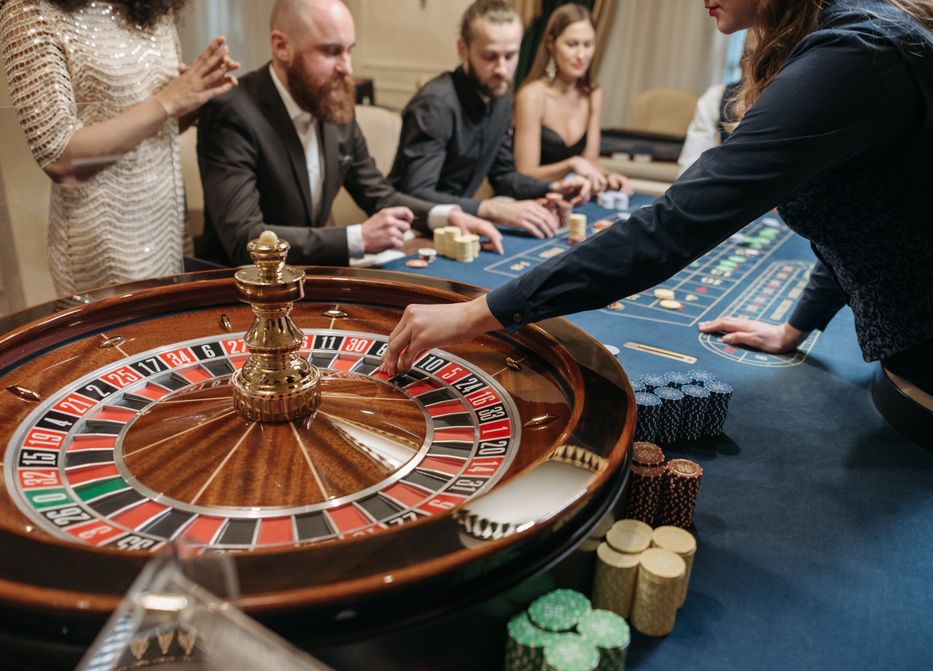
The Future of Blackjack Tournaments: How Innovation Is Redefining the Table‑Game Landscape

The resurgence of live‑dealer platforms has turned blackjack from a solitary pastime into a spectator sport. Players now log in from suburban kitchens, high‑rise apartments, or dedicated gaming lounges to watch a digital dealer shuffle cards in real time, while a leaderboard flashes the scores of competitors worldwide. This competitive energy mirrors the buzz of a packed casino floor, and it is being amplified by a wave of technology that makes every hand count.

For anyone looking to stay ahead of the curve, the industry’s conversation often drifts toward podcasts that dissect trends and test new products. One such resource is https://thegarretpodcast.com/, which frequently interviews developers, regulators, and high‑rollers about the direction of online gambling.

In this article we will examine the most cutting‑edge tournament formats, the platforms that host them, and what players can realistically expect in terms of skill, strategy, and entertainment value. We will explore everything from blockchain‑based prize pools to immersive virtual‑reality tables, and we will finish with practical advice on how to blend traditional blackjack fundamentals with the newest tech tools.

1. From Classic to Crypto: The Evolution of Blackjack Tournament Platforms

Legacy casino tournament software was built for the desktop era. Early systems relied on static tables, manual seeding of players, and a simple “first‑to‑10‑wins” structure. Settlement was slow, often requiring manual verification of payouts, and cross‑border participation was limited by licensing constraints.

Today’s blockchain‑enabled venues have turned those limitations on their head. Instant settlement is now the norm, with smart contracts automatically distributing winnings the moment a tournament ends. Provably fair algorithms let players verify that the shuffle was truly random, using cryptographic hashes displayed on the screen. Because the blockchain is borderless, operators can pool players from Europe, Asia, and the Americas into a single, massive tournament without worrying about currency conversion or jurisdictional bottlenecks.

Feature Classic Platform (e.g., Evolution Gaming) Crypto‑Enabled Platform (e.g., BitBet)
Settlement Speed Hours to days (manual review) Seconds (smart‑contract auto‑pay)
Fairness Verification Internal audit, no player access Provably fair hash, player‑verified
Currency Options Fiat only, limited to licensed markets Bitcoin, Ethereum, stablecoins, fiat
Player Pool Size 50‑200 per event 500‑5,000 per event, global

Evolution Gaming remains a leader in live‑dealer technology, offering high‑definition streams and professional croupiers who interact with chat. BetOnline, a veteran of the online‑casino space, has integrated tournament ladders that feed players into larger prize‑pool events each month. Meanwhile, rising crypto‑casino BitBet (a pseudonym for illustration) runs daily “Bitcoin Blackjack Blitz” tournaments where entry fees are paid in BTC and prize pools can swell to 0.75 BTC within an hour.

The impact on accessibility is profound. A player in Buenos Aires can join a tournament hosted in Malta with a single click, and the instant settlement eliminates the need to wait for a bank transfer. Frequency has also increased: where once a weekly tournament might have been the norm, many crypto platforms now run dozens of parallel events, each with its own buy‑in tier and prize structure. This abundance encourages both casual players seeking low‑risk fun and high‑rollers chasing sizable crypto gambling bonuses.

2. Real‑Time Data Dashboards: How Analytics Are Changing Player Strategy

Integrated analytics have migrated from post‑session hand‑history exports to live, on‑screen dashboards. Modern tournament interfaces now display a player’s win‑rate meter, average bet size, and even a “risk index” that gauges how aggressive the current field is playing. Hand‑history trackers automatically log each dealt hand, allowing participants to spot patterns in dealer behavior or identify moments when the shoe is “hot.”

During a multi‑round event, a live dashboard can influence betting decisions in real time. Suppose a player’s win‑rate meter spikes to 62 % after a series of soft 17 stands; the system might suggest increasing the bet by 20 % to capitalize on momentum. Conversely, if the risk index climbs above a preset threshold, the dashboard may recommend a conservative approach, preserving the bankroll for later stages.

The balance between data advantage and the traditional “feel” of the game is delicate. Veteran players often argue that over‑reliance on numbers can mute intuition, the subtle cues a dealer’s eye contact or a table’s tempo provide. Yet the data does not replace instinct; it augments it. For example, “Luna,” a semi‑professional from Toronto, used the live win‑rate meter to adjust her bet spread during a $5,000 crypto tournament, climbing from 15th to 3rd place within twelve hands.

Bullet list of common dashboard metrics and their typical impact:

  • Win‑rate meter – guides bet sizing based on recent performance.
  • Average hand value – helps decide when to double down or split.
  • Dealer variance tracker – flags unusually high or low dealer bust percentages.
  • Leaderboard velocity – shows how quickly top spots are changing, informing risk appetite.

By providing a quantified view of what was once purely gut‑driven, real‑time analytics are reshaping tournament strategy without erasing the human element that makes blackjack compelling.

3. Virtual Reality Tables: Immersive Competition in a Digital World

Virtual reality (VR) has moved beyond novelty demos to become a viable venue for competitive blackjack. Platforms such as VRPlay Casino and Horizon Tables now host fully rendered casino floors where avatars sit around a digital table, and a 3‑D dealer shuffles cards with realistic hand motions. The hardware requirement typically includes a VR headset (e.g., Oculus Quest 2 or Valve Index), hand controllers, and a stable internet connection with at least 30 Mbps downstream.

The benefits are striking. Spatial awareness improves as players can glance around the virtual room, read other avatars’ body language, and experience a sense of “presence” that flat screens cannot replicate. Social interaction is also richer; players can chat via voice, toast each other with virtual champagne, and even tip the dealer in cryptocurrency. For tournament organizers, VR enables a “casino floor” feel without the logistical costs of a physical venue, allowing them to scale events to thousands of participants across multiple virtual tables.

Limitations remain. High‑quality VR hardware is still a barrier to entry for many casual players, and motion sickness can affect those unfamiliar with prolonged headset use. Adoption rates among serious tournament players are modest; a 2023 survey of 1,200 online blackjack enthusiasts showed that only 8 % had tried a VR tournament, though 42 % expressed interest in future participation.

Upcoming releases promise to address these hurdles. The “Infinity Blackjack Suite,” slated for Q2 2025, will support cross‑platform play, allowing PC users to join VR tables via a 2‑D overlay. It also introduces a dynamic lighting engine that mimics real‑world casino ambience, enhancing immersion while reducing eye strain. Scalability is another focus: the engine can host up to 100 simultaneous tables, each with 7 seats, and automatically balances player skill levels to keep competition tight.

In short, VR tables are still an emerging niche, but they offer a glimpse of a future where the line between online and brick‑and‑mortar blackjack is virtually erased.

4. AI‑Assisted Dealer Engines: Fairness, Speed, and Player Perception

Artificial intelligence has become the backbone of modern live‑dealer simulations. AI‑driven dealer engines are programmed to replicate human nuances—such as subtle pauses before dealing, natural eye contact, and occasional “human error” moments—while maintaining strict rule enforcement. The result is a dealer that feels authentic yet never deviates from the programmed house edge.

One of the most critical roles AI plays is preventing collusion. By randomizing shuffle sequences using cryptographically secure pseudo‑random number generators (CSPRNGs), the engine eliminates patterns that could be exploited by coordinated players. Additionally, AI monitors chat logs for suspicious coordination, automatically flagging groups that attempt to share hand information.

Transparency is another advantage. Some platforms expose the seed value used for each shoe, allowing players to verify that the shuffle was generated fairly. This level of openness builds trust, especially in high‑stakes tournaments where a single perceived irregularity can erode confidence.

However, player perception of a non‑human dealer varies. High‑roller “Marcus” from Berlin confessed that facing an AI dealer felt “cold” during a $20,000 Bitcoin tournament, noting that the lack of genuine eye contact reduced his emotional engagement. Conversely, casual player “Sofia” from Miami appreciated the consistency, saying the AI never “mis‑dealt” a card—a mistake she had witnessed in a live casino that cost her a seat at the table.

Overall, AI dealers deliver speed (cards dealt in under a second), fairness (provably random shuffles), and scalability (hundreds of tables can run concurrently). The psychological impact depends on individual preferences, but the technology ensures that tournament outcomes are driven by skill rather than dealer variability.

5. Multi‑Table Tournaments (MTTs) vs. Sit‑and‑Go Blitzes: Choosing the Right Format

Multi‑Table Tournaments (MTTs) and Sit‑and‑Go Blitzes represent two distinct tournament philosophies. An MTT typically starts with a large field—often 500 players—spread across multiple tables. As participants are eliminated, survivors converge onto a single “final table,” mirroring the structure of poker MTTs. Sit‑and‑Go Blitzes, by contrast, begin with a small, fixed group (usually 5–7 players) and run to completion within a short time frame, often under 15 minutes.

Strategic considerations differ markedly. In MTTs, bankroll management is paramount; the long duration and deep stack‑to‑buy‑in ratios mean that early‑stage conservatism can preserve chips for the later “bubble” phases. Hand‑selection should favor low‑variance plays—standing on 12‑13 against a dealer 6, for instance—to avoid premature busts. Pacing is also slower, allowing players to digest analytics dashboards and adjust bets gradually.

Sit‑and‑Go Blitzes demand a more aggressive approach. With a shallow stack and a rapid progression, players must capitalize on high‑expected‑value spots quickly. Doubling down on soft 18 against a dealer 4, or splitting 8‑8 versus a dealer 10, can swing the momentum dramatically. Because the field is small, each decision immediately affects the leaderboard, making psychological pressure intense.

Which player archetype thrives where?

  • The Patient Grinder – excels in MTTs, leveraging deep‑stack endurance and analytics to outlast opponents.
  • The Aggressive Finisher – shines in Sit‑and‑Go Blitzes, using bold bet sizing and rapid hand evaluation to climb the podium.
  • The Hybrid – comfortable in both, adjusts style based on bankroll and tournament schedule.

Choosing the right format hinges on personal risk tolerance, time availability, and the desired pace of competition.

6. Prize Structures and Sponsorships: The Economics of Modern Blackjack Competition

Prize pools have evolved beyond simple cash payouts. Traditional tournaments often offered a top‑heavy distribution—70 % to first place, 20 % to second, and the remainder split among the next three. Modern platforms experiment with diversified rewards to attract broader audiences.

Typical prize components now include:

  • Cash or crypto payouts – direct monetary rewards, often payable in Bitcoin or stablecoins.
  • Casino bonuses – match‑deposit offers or free‑play credits that can be used on other games.
  • Luxury experiences – all‑expenses‑paid trips to Las Vegas, private poker lessons, or high‑end watches.
  • NFT trophies – unique digital collectibles that can be displayed in a player’s wallet and traded on secondary markets.

Sponsorship deals further enrich the economics. A major crypto exchange might sponsor a weekly “Bitcoin Blackjack Championship,” covering 30 % of the prize pool in exchange for branding on the leaderboard and a dedicated chat channel. Affiliate programs also influence entry fees; players referred by an affiliate link may receive a 10 % discount on the buy‑in, while the affiliate earns a commission on each subsequent tournament entry.

Innovative prize models are gaining traction. The “Revenue‑Share Bonus” used by a leading crypto casino allocates 5 % of the platform’s monthly net gaming revenue to the top ten tournament finishers, creating a dynamic pool that grows with overall player activity. Another experiment involves “Progressive NFT Rewards,” where a limited‑edition NFT upgrades each time a player reaches a new leaderboard milestone, eventually unlocking a physical prize such as a custom‑engraved poker chip set.

These structures attract new demographics, especially younger players who value digital ownership and community recognition as much as cash. By blending tangible rewards with blockchain‑native assets, operators are redefining what it means to win a blackjack tournament.

7. The Skill‑Versus‑Luck Debate: What Innovation Means for the “Card‑Counting Reality Check”

Card counting has long been the poster child for skill in blackjack, yet its relevance in tournament settings is waning. Modern tournament engines employ rapid dealer rotations, continuous shoe changes, and provably fair shuffles that reset the composition of the deck every few hands. This volatility reduces the predictive power of traditional counting systems, turning the advantage into a fleeting edge.

Technology levels the playing field in other ways. Randomized shuffles generated by CSPRNGs ensure that no player can exploit a “hot shoe.” AI dealers enforce consistent rule sets, eliminating human errors that a skilled counter might have leveraged. Moreover, many platforms impose a “hand‑per‑minute” limit, forcing players to make decisions under time pressure, which diminishes the benefit of deep analytical calculations.

Regulatory bodies worldwide are also tightening rules around advantage play in online environments. In several jurisdictions, the use of external counting software is classified as a breach of terms of service, potentially resulting in account suspension. This stance reflects a broader industry desire to preserve fairness and protect the integrity of prize pools.

Nevertheless, skill remains a decisive factor. Players who master basic strategy—knowing when to hit, stand, double, or split based on dealer up‑card—maintain a statistical edge of about 0.5 % over the house. Combining this foundation with modern tools—real‑time dashboards, AI‑driven dealer insights, and disciplined bankroll management—creates a hybrid approach that respects regulations while maximizing performance.

Practical advice for the modern tournament player:

  1. Learn and internalize basic strategy; treat it as your baseline.
  2. Use approved analytics dashboards to monitor win‑rate and adjust bet sizing, but avoid prohibited counting software.
  3. Manage bankroll rigorously; allocate no more than 2–3 % of your total tournament bankroll to any single buy‑in.
  4. Stay informed through neutral resources such as Thegarretpodcast, which regularly discusses regulatory updates and responsible gambling practices.

By blending timeless fundamentals with contemporary technology, players can navigate the evolving landscape responsibly and profitably.

Conclusion

Innovation has transformed blackjack tournaments from static, low‑frequency events into a dynamic ecosystem of crypto‑driven prize pools, immersive VR tables, AI dealers, and real‑time analytics. Players now compete across borders, settle winnings instantly, and track performance with dashboards that were unimaginable a decade ago. Yet despite these technological leaps, the core competencies that define success—disciplined bankroll management, solid basic strategy, and the ability to adapt—remain unchanged.

The future belongs to those who embrace new formats, experiment with data‑rich tools, and stay tuned to industry conversations. Resources like https://thegarretpodcast.com/ offer ongoing insight into emerging trends, regulatory shifts, and best‑practice strategies. Whether you are drawn to the high‑stakes excitement of a multi‑table crypto tournament or the social immersion of a VR blackjack showdown, the modern arena rewards both skill and curiosity. Explore, experiment, and keep your game sharp; the next tournament you join could be the one that redefines your blackjack journey.

Desentrañando la Matemática de los Juegos de Casino en Línea: Probabilidades al Alcance de Todos

En la era digital, los casinos online han pasado de ser una curiosidad tecnológica a una industria multimillonaria que atrae a millones de jugadores cada día. Detrás de los coloridos gráficos y los sonidos envolventes, sin embargo, se esconde una ciencia rigurosa: la teoría de la probabilidad. Entender cómo se calculan las cuotas, por qué algunos juegos ofrecen mejores retornos y qué papel juegan los algoritmos aleatorios permite a los usuarios jugar con mayor confianza y a los operadores diseñar ofertas más atractivas y justas.

Esta inmersión técnica pero accesible cubre los conceptos clave que sustentan los juegos de casino en línea, desde la generación de números aleatorios hasta el cálculo del RTP (Retorno al Jugador) y la gestión del riesgo. Cada sección incluye ejemplos concretos, comparaciones útiles y pequeñas listas que facilitan la absorción de la información.

Al final, el lector no solo sabrá “qué tan probable” es ganar, sino también cómo interpretar esas cifras para tomar decisiones informadas en su próxima partida. Conocer la matemática detrás de los juegos no solo aumenta la diversión, sino que también ayuda a proteger el bankroll y a elegir plataformas que cumplan con los estándares de seguridad y juego responsable.

1. La base: teoría de la probabilidad y eventos independientes

La probabilidad clásica se define como el número de casos favorables dividido entre el número total de casos equiprobables. En una moneda justa, la probabilidad de cara es 1/2 porque hay un caso favorable (cara) y dos posibles resultados (cara o cruz). La visión frecuentista interpreta la probabilidad como la proporción de ocurrencias en un gran número de repeticiones; mientras que la bayesiana incorpora información previa para actualizar la creencia sobre un evento.

En los juegos de casino, distinguir entre eventos independientes y dependientes es esencial. Un lanzamiento de dados en craps es independiente: el resultado de una tirada no influye en la siguiente. En cambio, en una partida de blackjack la composición de la baraja cambia después de cada mano, creando dependencia entre eventos sucesivos.

Ejemplo sencillo: una slot de tres carretes con diez símbolos cada uno tiene 10 × 10 × 10 = 1 000 combinaciones posibles; cada giro es independiente del anterior. En la ruleta europea, la probabilidad de que la bola caiga en el número 17 es 1/37, y esa probabilidad no se ve alterada por los giros anteriores, siempre que la rueda esté equilibrada.

2. Generadores de Números Aleatorios (RNG) y certificación

Un RNG (Random Number Generator) es el motor que produce secuencias de números impredecibles y es la columna vertebral de la equidad en los juegos online. Sin un RNG fiable, cualquier slot o juego de mesa podría estar manipulado. Los algoritmos más comunes incluyen el Mersenne Twister, que ofrece un periodo extremadamente largo, y el XORShift, apreciado por su velocidad en entornos de alta concurrencia.

La auditoría independiente es obligatoria para operar legalmente. Organizaciones como eCOGRA, iTech Labs o GLI ejecutan pruebas estadísticas que verifican la uniformidad y ausencia de sesgos en los números generados. Un informe de certificación suele incluir el número de bits de entropía, la distribución de resultados y el tiempo de latencia entre solicitud y entrega del número.

Los operadores también deben publicar los resultados de las pruebas de RNG en sus sitios, lo que permite a los jugadores verificar que la plataforma sigue cumpliendo con los estándares internacionales. Esta transparencia es una señal de que el casino es fiable y de que los métodos de pago seguros que ofrece están respaldados por procesos técnicos sólidos.

3. Cálculo del Retorno al Jugador (RTP) y la ventaja de la casa

El RTP se calcula sumando todas las probabilidades de pago multiplicadas por sus respectivas cuotas y dividiendo el total entre la apuesta promedio. En forma simplificada, RTP = Σ (probabilidad × pago) × 100 %. La ventaja de la casa es simplemente 100 % − RTP. Por ejemplo, una slot con RTP del 96 % otorga una ventaja al casino del 4 %.

Existen dos valores de RTP: el teórico, que proviene del diseño del juego, y el práctico, que se observa en la práctica después de miles de giros. La diferencia se debe a la varianza y a la muestra limitada; en sesiones cortas, el jugador puede experimentar resultados muy por encima o por debajo del RTP teórico.

En los slots, el RTP se fija en el código del RNG y no puede modificarse por el operador. En el blackjack, el RTP varía según las reglas de la casa: permitir rendición (surrender) o usar una baraja única eleva el RTP por encima del 99 %. En baccarat, la apuesta a la banca tiene un RTP de alrededor del 98,94 % después de descontar la comisión del 5 %.

4. Slots: combinaciones, líneas de pago y volatilidad

Los carretes de una slot pueden ser físicos o virtuales; en la mayoría de los casinos online hoy en día se emplean carretes virtuales con cientos de símbolos ocultos. Cada símbolo tiene una frecuencia asignada que determina cuántas veces aparece en el conjunto total de símbolos del carrete. La cantidad total de combinaciones posibles se calcula multiplicando el número de símbolos en cada carrete.

Para ilustrar, una slot de 5 carretes con 20 símbolos por carrete genera 20⁵ = 3 200 000 combinaciones. Las líneas de pago (paylines) son patrones predefinidos que conectan símbolos desde el primer carrete hasta el último; una máquina puede ofrecer desde una única línea hasta cientos de ellas, lo que multiplica las oportunidades de ganar.

La volatilidad describe la frecuencia y el tamaño de los pagos. Una volatilidad baja entrega ganancias pequeñas y frecuentes, ideal para jugadores que prefieren sesiones largas sin grandes altibajos. La volatilidad alta, por el contrario, produce pagos raros pero potencialmente muy altos, adecuada para quienes buscan jackpots.

Caso práctico: María, una jugadora frecuente, revisa la tabla de pagos de una nueva slot y nota que el juego ofrece un RTP del 96,5 % con alta volatilidad. Al comparar con datos históricos, decide ajustar su bankroll para soportar rachas largas sin agotar sus fondos. Para obtener información adicional, visita la sección de estadísticas de Revhipertension, donde encuentra un desglose de la volatilidad y ejemplos de gestión de bankroll.

Los casinos online que listan sus métricas de RTP y volatilidad permiten a los usuarios elegir títulos alineados con su perfil de riesgo, mejorando la experiencia y reduciendo la frustración.

Tabla comparativa de volatilidad y RTP

Volatilidad RTP típico Ejemplo de slot Tipo de jugador recomendado
Baja 95‑97 % Starburst Principiantes, bankroll limitado
Media 96‑98 % Gonzo’s Quest Jugadores equilibrados
Alta 94‑96 % Book of Ra Deluxe Aficionados a jackpots

5. Ruleta: probabilidades en la rueda europea vs. americana

La ruleta europea cuenta con un solo cero (0), mientras que la americana incluye un doble cero (00). Esta diferencia altera la ventaja de la casa: en la europea es 2,70 % y en la americana 5,26 %.

Para una apuesta a rojo (18 números) en la ruleta europea, la probabilidad de ganar es 18/37 ≈ 48,65 %. En la americana, la misma apuesta tiene una probabilidad de 18/38 ≈ 47,37 %.

Apuestas internas, como “straight up” al número 7, tienen una probabilidad de 1/37 en la europea y 1/38 en la americana, con pagos de 35 a 1 en ambos casos. Las apuestas externas, como “columna” o “docena”, ofrecen 2 a 1 y una probabilidad de 12/37 ≈ 32,43 % en la rueda europea.

El “En Prison” y “La Partage” son reglas exclusivas de la ruleta europea que reducen la ventaja de la casa al devolver la mitad de la apuesta cuando la bola cae en cero. Con “La Partage”, la ventaja baja a 1,35 %; con “En Prison”, depende del resultado del siguiente giro pero suele situarse alrededor de 1,60 %.

6. Blackjack: conteo de cartas y estrategias óptimas

El conteo de cartas es una técnica que asigna valores a cada carta (por ejemplo, Hi‑Lo: +1 a 2‑6, 0 a 7‑9, –1 a 10‑A) y mantiene una cuenta corrida para estimar la composición del mazo restante. Cuando la cuenta es alta, hay más cartas de valor bajo en el mazo, lo que favorece al jugador porque aumenta la probabilidad de que el crupier se pase.

La estrategia básica se resume en una tabla de decisiones que indica cuándo plantarse, pedir, doblar o dividir según la mano del jugador y la carta visible del crupier. Seguirla reduce la ventaja del casino a menos del 0,5 % en una baraja única.

Reglas como la “rendición” (surrender) permiten al jugador abandonar la mano y recuperar la mitad de la apuesta cuando la probabilidad de perder es alta; esta regla puede añadir 0,1 % al RTP. El número de mazos también influye: una partida de seis mazos con rendición y doblaje después de dividir puede alcanzar un RTP de 99,5 %, mientras que una de ocho mazos sin rendición se queda alrededor del 99 %.

7. Baccarat y el juego de la “tasa de pago”

En baccarat, la banca gana aproximadamente el 45,86 % de las veces, el jugador el 44,62 % y el empate el 9,52 %. La apuesta a la banca, a pesar de su ligera ventaja de 1,06 % a favor del casino, paga 1 a 1 menos una comisión del 5 % sobre las ganancias, lo que deja un RTP de 98,94 %.

Apostar al jugador paga 1 a 1 sin comisión y ofrece un RTP de 98,76 %. La apuesta al empate paga 8 a 1 (o a veces 9 a 1), pero su RTP se sitúa alrededor del 84,6 %, lo que la convierte en la peor opción desde el punto de vista estadístico.

Los límites de apuesta también influyen: en mesas con límites bajos, la banca puede absorber grandes fluctuaciones, mientras que en mesas de alto límite la comisión puede representar una pérdida significativa si la racha es prolongada.

8. Poker en línea: probabilidades de mano y equity

En Texas Hold’em, la probabilidad de recibir una pareja alta (AA, KK, QQ) es de 0,45 %. Calcular “outs” permite estimar la probabilidad de mejorar una mano en el turn o river. Por ejemplo, con cuatro outs para completar un flush después del flop, la probabilidad de acertar en el turn es 4/47 ≈ 8,5 %, y si falla, la probabilidad en el river es 4/46 ≈ 8,7 %.

El equity representa la parte del bote que le corresponde a cada jugador según sus probabilidades de ganar. Si un jugador tiene un 60 % de equity en un bote de 100 €, su expectativa es ganar 60 €. Esta medida guía decisiones de all‑in, ya que un jugador con equity superior al 50 % debería apostar agresivamente.

Herramientas de software como PokerTracker o Equilab permiten simular miles de manos y obtener una visión precisa del equity en tiempo real. Estas plataformas también ayudan a identificar patrones de juego y a optimizar la gestión del bankroll, especialmente en torneos con estructuras de premios variables.

9. Juegos de dados: craps y la complejidad de sus apuestas

En craps, el lanzamiento de 7 o 11 en la “come‑out” tiene una probabilidad de 8/36 ≈ 22,22 %, lo que hace que la apuesta Pass Line sea atractiva con una ventaja de casa del 1,41 %. La apuesta “Don’t Pass” gana cuando el 2, 3 o 12 aparecen, ofreciendo una ventaja de 1,36 %.

Los “hardways” (por ejemplo, 4 = 2+2) aparecen con una probabilidad de 3/36 ≈ 8,33 % y suelen pagar 7 a 1 o 9 a 1, pero su ventaja de casa supera el 9 % debido a la alta varianza.

Para minimizar la varianza, los jugadores experimentados prefieren apuestas simples como Pass/Don’t Pass y Odds, que no tienen ventaja de casa adicional y reducen la exposición a pérdidas grandes.

10. Modelos de gestión de riesgo para operadores de casino

Los operadores utilizan la teoría de colas para estimar la capacidad de sus servidores y evitar retrasos que puedan afectar la generación de números aleatorios. Los límites de exposición se calculan mediante simulaciones de Monte Carlo que proyectan pérdidas potenciales bajo diferentes escenarios de juego.

Los algoritmos de ajuste dinámico de cuotas (Dynamic Odds) permiten modificar temporalmente los pagos de ciertas promociones según el comportamiento del jugador y la volatilidad del juego, asegurando que la ventaja de la casa se mantenga dentro de los márgenes regulatorios.

En cuanto a juego responsable, se implementan límites de pérdida diarios, semanales y mensuales, que pueden ser configurados por el usuario o impuestos por la plataforma. Estas restricciones ayudan a prevenir conductas de riesgo y cumplen con las normativas de las autoridades de juego.

11. Futuro de la probabilidad en los casinos digitales: IA y blockchain

La inteligencia artificial está revolucionando la generación de números aleatorios mediante redes neuronales que detectan patrones sutiles y corrigen desviaciones en tiempo real, aumentando la confianza en la imparcialidad del juego. Además, la IA se emplea para detectar fraudes, analizando patrones de apuesta que difieren de la norma estadística.

La tecnología blockchain ofrece auditorías transparentes del RTP al registrar cada resultado de juego en un libro mayor inmutable. Los juegos “provably fair” utilizan hashes criptográficos que permiten al jugador verificar que el resultado no fue manipulado después de la apuesta.

En el metaverso, los casinos virtuales integrarán avatares y entornos 3D donde los jugadores podrán participar en mesas de blackjack o ruleta con probabilidades verificables en tiempo real, creando una experiencia más inmersiva sin sacrificar la equidad.

Conclusión

La matemática que sustenta los juegos de casino en línea es tan fascinante como fundamental. Desde los algoritmos que generan números aleatorios hasta los cálculos de RTP y volatilidad, cada cifra tiene una razón de ser y afecta directamente la experiencia del jugador y la rentabilidad del operador. Conocer estos principios permite a los usuarios tomar decisiones más informadas, gestionar su bankroll y disfrutar del juego con una perspectiva realista sobre sus posibilidades de ganar. Al mismo tiempo, los operadores que aplican modelos estadísticos avanzados y tecnologías emergentes pueden ofrecer entornos más seguros, justos y atractivos. En un mundo donde el entretenimiento digital sigue creciendo, la probabilidad seguirá siendo la brújula que guía tanto a jugadores como a la industria hacia un futuro más transparente y emocionante.

Strategie avanzate per massimizzare le quote nei principali bookmaker sportivi

Nel panorama del betting sportivo, la capacità di leggere e sfruttare le quote è diventata una vera arte. Non si tratta più solo di intuizione: le piattaforme più grandi hanno integrato algoritmi di pricing che reagiscono in tempo reale a milioni di dati, dalle statistiche dei giocatori ai movimenti di mercato. Comprendere come queste probabilità siano costruite permette di individuare margini di errore e trasformarli in valore reale.

Negli ultimi anni, l’ascesa dei bookmaker digitali ha introdotto strumenti di analisi in‑tempo reale, feed statistici e dashboard personalizzate. Un bettor esperto può così monitorare le fluttuazioni di quota, confrontare le offerte dei diversi operatori e decidere quando inserire una puntata. L’uso consapevole dei bonus di benvenuto, delle free bet o dei programmi cashback aggiunge un ulteriore strato di ottimizzazione del bankroll, riducendo il rischio di perdita e aumentando il ritorno atteso.

Questa guida approfondisce i meccanismi matematici alla base delle quote, confronta le piattaforme più competitive, esamina i modelli predittivi più avanzati e fornisce consigli pratici per gestire il capitale in modo professionale. L’obiettivo è fornire agli scommettitori esperti una cassetta degli attrezzi completa, capace di tradurre la teoria delle probabilità in profitto concreto, senza dimenticare l’impatto delle normative e delle tecnologie emergenti.

1. Come vengono calcolate le quote: i fondamenti matematici

Le quote rappresentano la probabilità implicita di un evento, aggiustata dal margine di profitto del bookmaker. La formula di base è: probabilità implicita = 1 / quota (decimale). Se un bookmaker propone 2,00 per la vittoria di una squadra, la probabilità implicita è 50 %. Il margine, detto anche “vig”, nasce dalla differenza tra la somma delle probabilità implicite di tutti gli esiti e il 100 % reale.

Le tre notazioni più diffuse sono:

  • Quote decimali (es. 1,85) – usate nella maggior parte d’Europa, indicano il ritorno totale per unità scommessa.
  • Quote frazionarie (es. 7/4) – tradizionali nel Regno Unito, mostrano il profitto rispetto alla puntata. 7/4 equivale a 2,75 decimale.
  • Quote americane (es. +150 o –200) – diffuse negli USA; +150 significa profitto di 150 $ per 100 $ scommessi, –200 indica che occorrono 200 $ per vincere 100 $.

Esempio pratico: una scommessa di 50 € su quota 1,90 genera un ritorno potenziale di 95 € (50 × 1,90). Se la quota fosse 2,10, lo stesso stake produrrebbe 105 €. La differenza di 10 € è il valore aggiuntivo che il bettor può cercare sfruttando le variazioni di mercato.

2. Le piattaforme con le migliori quote: un’analisi comparativa

Operatore Media spread (pre‑match) Commissioni su multipla Volatilità quote live
Bet365 4,2 % 0 % Media
William Hill 4,5 % 0 % Alta
Pinnacle 2,5 % 0 % Bassa

Bet365 rimane leader per la varietà di mercati e la rapidità di aggiornamento, ma la sua media spread è leggermente superiore a Pinnacle, che si distingue per le quote più competitive grazie a un modello a basso margine. William Hill offre una piattaforma robusta per le scommesse in‑play, sebbene le fluttuazioni possano essere più marcate.

Un aspetto meno discusso è la “quota di mercato”: i bookmaker con volumi di puntata più alti possono permettersi di ridurre il margine, poiché la loro esposizione è diluita. In questo contesto, il sito casino non aams riporta occasionalmente liste di operatori con elevati volumi, utile per capire dove le condizioni sono più favorevoli.

Consiglio pro: imposta avvisi di variazione quota su più piattaforme contemporaneamente; la prima variazione significativa è spesso un segnale di informazione di mercato non ancora riflessa altrove.

3. Il ruolo dei bonus e delle promozioni nella determinazione del valore reale

I bonus di benvenuto, le free bet e i programmi cashback sono strumenti di acquisizione clienti, ma per il bettor esperto rappresentano una riduzione del costo medio della scommessa. Per valutare il valore reale, si calcola il valore atteso (EV) includendo il valore monetario del bonus.

Esempio: un bonus di 100 € con requisito di rollover 5x su una quota minima di 1,80. Il bettor deve scommettere 500 € (100 × 5). Se la scommessa media ha una probabilità reale del 55 % (quota teorica 1,82), l’EV della scommessa è 0,55 × 1,80 – 0,45 ≈ 0,54 € per euro scommesso. Moltiplicando per 500 €, l’EV totale è 270 €, quindi il bonus aggiunge valore positivo.

Alcune promozioni, come le free bet senza rollover, trasformano una scommessa a bassa probabilità in un’opportunità profittevole perché il rischio è nullo. Tuttavia, è fondamentale leggere i termini: spesso le vincite sono soggette a requisiti di scommessa o limitazioni di mercato.

4. Statistiche avanzate e modelli predittivi: strumenti per il bettor esperto

Le tecniche di regressione logistica consentono di stimare la probabilità di un risultato in base a variabili indipendenti (forma recente, infortuni, condizioni meteo). Un modello semplice per il calcio può includere:

  • Gol segnati/subiti nelle ultime 5 partite
  • Differenza di classifica
  • Possesso palla medio

Utilizzando un software di statistica, si ottengono coefficienti che trasformano questi fattori in una probabilità predetta. Per valutare la robustezza, si esegue una validazione incrociata su stagioni passate, confrontando le previsioni con le quote reali.

Metodi più sofisticati, come le simulazioni Monte Carlo, generano migliaia di scenari di risultato per calcolare una distribuzione di probabilità. Il machine learning, in particolare le reti neurali, può integrare grandi volumi di dati (es. 10 000 partite) e scoprire pattern non lineari.

Fonti di dati affidabili includono API di provider come Opta, Sportradar o servizi di tracking dei bookmaker. È cruciale normalizzare i dati: rimuovere outlier, uniformare unità di misura e standardizzare le variabili per evitare bias di modello.

Segreto del settore: la normalizzazione dei dati riduce drasticamente l’overfitting, soprattutto quando si lavora con campioni ridotti di partite di campionati minori.

5. Gestione del bankroll: tecniche per ridurre il rischio e massimizzare i profitti

Il metodo Kelly suggerisce di puntare una frazione del bankroll pari al vantaggio percepito diviso per la quota. Se si stima un vantaggio del 5 % su una quota di 2,00, la puntata Kelly è 0,05 / (2,00‑1) ≈ 5 % del capitale. Questo approccio massimizza la crescita a lungo termine, ma può essere aggressivo.

Il flat betting, invece, consiste nel scommettere sempre la stessa percentuale (es. 1 % del bankroll) indipendentemente dalla percezione di valore. È più semplice da gestire e riduce la volatilità.

Un piano a lungo termine può combinare i due: usare Kelly per le scommesse con alto EV e flat betting per le situazioni più marginali. Esempio di piano trimestrale:

  • Inizio trimestre: bankroll 2.000 €
  • Kelly su scommesse con EV > 0,10 → puntata media 70 €
  • Flat betting su EV < 0,10 → puntata fissa 20 €

Adattare la strategia al profilo di rischio è fondamentale: i giocatori avversi al rischio preferiranno percentuali fisse più basse, mentre i più aggressivi potranno spingersi verso il Kelly completo.

6. Quote live vs quote pre‑match: opportunità e trappole

Le scommesse pre‑match si basano su informazioni statiche: formazioni, statistiche stagionali, infortuni noti. Le quote live, al contrario, reagiscono a eventi in tempo reale: un gol, un cartellino rosso o un cambiamento tattico.

Le variazioni di quota in‑play riflettono la “liquidità del mercato”: se pochi scommettono su un risultato, la quota può oscillare più ampiamente, creando opportunità di arbitraggio temporaneo. Tuttavia, l’over‑trading è un rischio: puntare troppo spesso sulle micro‑fluttuazioni può erodere il bankroll a causa delle commissioni implicite e della volatilità.

Strategie consigliate:

  • Identificare momenti chiave (es. 15 min dopo un gol) in cui la quota si stabilizza.
  • Utilizzare il “lay‑back” su exchange per bloccare il profitto quando la quota ritorna a livelli più favorevoli.
  • Limitare il numero di scommesse live a 2‑3 per evento, concentrandosi su mercati con alta liquidità (es. risultato finale, over/under 2,5).

7. Il mercato delle scommesse alternative: esports, politiche e intrattenimento

Gli esports rappresentano una delle aree a più rapida crescita: titoli come League of Legends, CS:GO e Valorant hanno quote competitive e volumi di scommessa in costante aumento. La liquidità è ancora inferiore rispetto al calcio, ma le quote spesso offrono margini più alti per i bettor informati.

Le scommesse politiche, come le elezioni presidenziali o i referendum, presentano quote basate su sondaggistica e analisi geopolitica. La volatilità è elevata: un nuovo sondaggio può spostare la quota di diversi punti in pochi minuti.

Nel mondo dell’intrattenimento, reality TV e premi Oscar generano mercati di nicchia. Questi eventi sono meno soggetti a analisi statistiche tradizionali, ma le tendenze dei social media possono fornire indizi utili.

Diversificare il portfolio con queste categorie riduce la dipendenza da un singolo sport, ma comporta anche una minore familiarità con i fattori di rischio. È consigliabile destinare una piccola percentuale del bankroll (5‑10 %) a scommesse alternative, testando la liquidità e la stabilità delle quote prima di aumentare l’esposizione.

8. Impatto delle regolamentazioni nazionali sulle quote offerte

Nel 2026 l’Unione Europea ha armonizzato le licenze di gioco, imponendo una tassazione media del 5 % sui ricavi lordi dei bookmaker. Nei paesi con regimi più severi, come l’Italia, le tasse aggiuntive possono ridurre le quote di circa 0,02–0,04 rispetto a mercati più permissivi (es. Malta o Regno Unito).

Le licenze AAMS (ora ADM) richiedono controlli più stringenti su pubblicità e responsabilità sociale, spingendo alcuni operatori a offrire quote leggermente più basse per compensare i costi di compliance. Al contrario, i bookmaker non regolamentati (non‑AAMS) possono proporre quote più alte, ma con un rischio maggiore di inadempienza.

Per operare in maniera conforme, è consigliabile:

  • Verificare la licenza del bookmaker prima di depositare fondi.
  • Considerare l’effetto delle tasse locali sul ritorno netto; calcolare il “net odds” sottraendo la percentuale di imposta prevista.
  • Utilizzare wallet elettronici regolamentati per ridurre i tempi di prelievo e le commissioni aggiuntive.

9. Futuro delle quote: intelligenza artificiale, blockchain e mercati decentralizzati

L’AI sta rivoluzionando la generazione delle quote: algoritmi di deep learning analizzano in tempo reale dati di performance, clima, sentiment sui social e persino flussi di notizie per aggiornare le probabilità in pochi millisecondi. Questo porta a quote più precise, ma anche a una maggiore velocità di cambiamento, richiedendo ai bettor di reagire più rapidamente.

Le piattaforme basate su blockchain introducono smart contract che automatizzano il pagamento delle vincite e garantiscono trasparenza sulla composizione delle quote. Gli utenti possono verificare ogni operazione su un registro immutabile, riducendo il rischio di manipolazione.

Per prepararsi, i bettor dovrebbero:

  • Familiarizzare con i protocolli DeFi dedicati al betting, come Augur o Polymarket.
  • Testare ambienti di simulazione AI per capire come le variazioni di quota vengono generate.
  • Mantenere una parte del bankroll in criptovalute per accedere rapidamente a mercati decentralizzati, senza dover attendere conversioni fiat.

Conclusione

Abbiamo esaminato come le quote siano il risultato di un delicato equilibrio tra probabilità reali, margine del bookmaker e dinamiche di mercato. Conoscere i fondamenti matematici, confrontare le piattaforme più competitive, impiegare modelli statistici avanzati e gestire il bankroll con metodi come Kelly o flat betting permette di trasformare la teoria in profitto. Restare aggiornati su bonus, promozioni e regolamentazioni, oltre a prepararsi alle innovazioni AI e blockchain, garantirà un vantaggio sostenibile nel tempo. Metti in pratica le strategie illustrate, adatta le tecniche al tuo profilo di rischio e osserva le quote con occhio critico: solo così la conoscenza diventerà un vero alleato competitivo.

Baccarat dal Vivo di Nuova Generazione – Come i Programmi di Fedeltà Trasformano l’Esperienza VIP

Il baccarat live ha conquistato una fetta sempre più ampia del mercato dei casinò online. Grazie all’avanzamento delle piattaforme di streaming, i giocatori possono ora sedersi a un tavolo virtuale con croupier reali, godere di una grafica ad alta definizione e interagire in tempo reale, proprio come in una sala fisica. Questa evoluzione tecnologica ha spinto gli operatori a cercare modi per differenziarsi, offrendo esperienze più personalizzate e premi che vadano oltre il semplice cashback.

Un esempio interessante proviene da un settore completamente diverso: https://www.mazzantiautomobili.it/. Il sito, specializzato nella vendita di auto di lusso, utilizza programmi di fidelizzazione per premiare i clienti più fedeli con servizi esclusivi, assistenza premium e inviti a eventi riservati. Sebbene non sia un operatore di gioco, il modello di reward è un ottimo punto di riferimento per capire come trasformare la fedeltà in valore percepito.

Nel contesto del baccarat live, il problema più ricorrente è la mancanza di riconoscimento per i giocatori occasionali o per chi non raggiunge le soglie tradizionali dei high‑roller. Molti tavoli VIP richiedono depositi ingenti e le offerte generiche non soddisfano le esigenze di chi desidera un’esperienza più curata. La soluzione risiede nei moderni programmi di fedeltà, capaci di offrire progressioni chiare, premi personalizzati e accessi privilegiati senza imporre barriere insormontabili.

Nei paragrafi che seguiranno esploreremo le innovazioni tecnologiche che rendono il baccarat live più immersivo, analizzeremo i punti dolenti dei giocatori tradizionali, mostreremo come i programmi di fedeltà risolvono tali criticità, presenteremo un case study concreto e infine illustreremo le tendenze future che potranno ridefinire ancora una volta il panorama del gioco online.

1. Il nuovo volto del baccarat live: tecnologia, interfaccia e immersione

Streaming 4K e realtà aumentata

Le piattaforme di streaming 4K hanno innalzato lo standard visivo del baccarat live. Un’immagine nitida, con colori fedeli e frame rate elevati, permette al giocatore di leggere le espressioni del croupier e di percepire la tensione di ogni mano come se fosse seduto nella sala più elegante di Monte Carlo. Alcuni operatori stanno sperimentando la realtà aumentata (AR), sovrapponendo dati statistici direttamente sul tavolo virtuale: percentuali di vincita, trend delle puntate e suggerimenti di strategia appaiono come ologrammi fluttuanti, aumentando la sensazione di “VIP tech‑savvy”.

Interfaccia utente personalizzabile

Una dashboard personalizzabile è ormai un must. I giocatori possono scegliere tra layout minimalisti o ricchi di widget, aggiungere una barra laterale per monitorare il proprio bankroll, impostare avvisi di limite di perdita e visualizzare in tempo reale i bonus attivi. Alcuni casinò offrono temi cromatici ispirati a brand di lusso, consentendo di abbinare l’estetica del proprio profilo al colore della propria auto preferita – un dettaglio che risuona con chi visita anche siti come Mazzantiautomobili per ispirazione di stile.

Chat e interazione con il croupier

La chat testuale è stata affiancata da microfono e webcam, permettendo conversazioni vocali con il croupier. Questo livello di interazione crea un’atmosfera più autentica e favorisce il “social betting”, dove i giocatori possono scambiare consigli o semplicemente fare una battuta. I croupier, formati per riconoscere i giocatori VIP, possono offrire un servizio “concierge” digitale: suggerire limiti di puntata adatti, ricordare le preferenze di scommessa e persino brindare virtualmente quando il giocatore raggiunge una nuova soglia di punti fedeltà.

Caratteristica Casinò A (4K) Casinò B (HD) Casinò C (AR)
Risoluzione video 4K 1080p 4K + AR overlay
Dashboard personalizzabile Sì No Sì
Chat vocale con croupier Sì Sì Sì
Bonus live esclusivi 20% cashback 15% bonus deposito 25% bonus torneo

2. I punti dolenti dei giocatori tradizionali di baccarat live

  • Mancanza di progressione visibile – Molti tavoli mostrano solo il saldo corrente; i giocatori non hanno una barra di avanzamento che indichi quanto manca per il prossimo livello VIP. Senza un indicatore chiaro, la motivazione a continuare a scommettere diminuisce.
  • Premi poco rilevanti – Le offerte standard (es. 10 % di bonus sul deposito) sono spesso troppo generiche per i high‑roller, che preferirebbero crediti di gioco con wagering zero o esperienze esclusive come cene a tema.
  • Barriere all’accesso ai tavoli VIP – Alcuni operatori richiedono depositi minimi di €5.000 o scommesse giornaliere di €1.000 per accedere ai tavoli con limiti più alti. Questo esclude una larga fetta di giocatori esperti ma non disposti a impegnare capitali così elevati.
  • Esperienza frammentata tra piattaforme – Un giocatore che si sposta da un sito all’altro perde i punti accumulati, costringendolo a ricominciare da zero. La mancanza di un sistema di fedeltà condiviso rende difficile costruire una relazione duratura con il brand.

Le conseguenze

  1. Abbandono precoce – I giocatori si spostano verso piattaforme che offrono progressioni più trasparenti.
  2. Ridotta LTV – Senza incentivi mirati, il valore medio del cliente rimane stagnante.
  3. Bassa retention – La mancanza di premi personalizzati porta a una riduzione del tempo medio di gioco per sessione.

3. Come i programmi di fedeltà risolvono questi problemi

  • Struttura a livelli (Silver, Gold, Platinum, Diamond) – Ogni livello sblocca benefici concreti: aumento del cashback dal 5 % al 20 %, limiti di puntata più alti, tempi di prelievo ridotti e inviti a eventi esclusivi. La progressione è visibile nella dashboard, con una barra che indica i punti necessari per il passaggio successivo.
  • Punti convertibili in cash‑back, crediti di gioco e esperienze esclusive – Un punto può valere €0,01 di cash‑back o 1 % di credito su una scommessa futura. Alcuni programmi permettono di scambiare 10.000 punti per un weekend su un yacht di lusso o per una prova su pista di una supercar, collegando così il mondo del gioco a quello delle auto di alta gamma, un collegamento che può interessare anche i visitatori di Mazzantiautomobili.
  • Bonus personalizzati basati su comportamento di gioco – Algoritmi di profilazione analizzano la frequenza, il volume delle puntate e il tempo di gioco per offrire promozioni su misura. Un giocatore che preferisce scommesse basse ma costanti può ricevere un “raddoppio punti” per le prime 10 ore di gioco settimanali, mentre un high‑roller ottiene un “bonus no‑wager” del 30 % su ogni deposito superiore a €2.000.
  • Accesso prioritario a tavoli VIP e a eventi live – I membri Diamond ricevono un link diretto a tavoli con limiti di €10.000, oltre a inviti a tornei live organizzati in resort di lusso. L’accesso è garantito anche durante i picchi di traffico, eliminando le code virtuali che spesso scoraggiano i giocatori più esperti.

Vantaggi concreti per il giocatore

  • Visibilità della progressione – La barra dei livelli rende chiaro quando si avvicina il prossimo premio.
  • Premi rilevanti – Crediti senza wagering, viaggi e oggetti di lusso aumentano la percezione di valore.
  • Flessibilità – I punti possono essere usati subito o accumulati per premi più grandi, a seconda della strategia personale.

4. Case study: il programma di fedeltà “Royal Baccarat Club” di un operatore leader

Meccanica di guadagno punti

Il “Royal Baccarat Club” assegna 1 punto per ogni €1 scommesso sui tavoli live. Le puntate su tavoli premium (limite minimo €500) valgono 1,5 punti per euro, mentre le puntate durante eventi speciali (tornei mensili) valgono 2 punti. I punti si accumulano in tempo reale e sono visibili nella dashboard personalizzata.

Premi di alto valore

  • Viaggi di lusso: 150.000 punti consentono un viaggio a Las Vegas con volo in business class e soggiorno in hotel 5 stelle.
  • Auto di lusso: 300.000 punti possono essere scambiati per una prova su pista di una Ferrari o per un leasing trimestrale di una Mercedes AMG.
  • Eventi esclusivi: 75.000 punti danno accesso a una cena privata con un campione di baccarat professionista e a una sessione di coaching.

Analisi dei risultati

Metri Prima del programma Dopo l’introduzione
Tempo medio di gioco per sessione 45 minuti 68 minuti
Tasso di retention a 30 giorni 38 % 56 %
Valore medio del cliente (LTV) €1.200 €2.350
Numero di giocatori VIP attivi 1.200 2.850

L’introduzione del programma ha generato un incremento del 47 % del tempo medio di gioco e ha quasi raddoppiato il valore medio del cliente. La possibilità di convertire i punti in premi tangibili (auto, viaggi) ha attirato una nuova fascia di giocatori interessati al lifestyle di lusso, dimostrando che la fedeltà può essere monetizzata senza aumentare i requisiti di deposito.

Lezioni per altri operatori

  1. Trasparenza nella conversione – Indicare chiaramente il valore di ogni punto evita fraintendimenti.
  2. Varietà di premi – Offrire sia premi finanziari (cash‑back) sia esperienze (viaggi, auto) amplia l’appeal del programma.
  3. Integrazione con brand esterni – Collaborare con marchi di lusso, come quelli presenti su Mazzantiautomobili, crea sinergie di marketing e aumenta la percezione di esclusività.

5. Prospettive future: evoluzione dei programmi di fedeltà nel baccarat live

  • Integrazione con blockchain e NFT – I token fedeltà potranno essere emessi su blockchain pubbliche, garantendo tracciabilità e possibilità di scambio tra piattaforme. Un NFT “Royal Badge” potrebbe dare diritto a un bonus permanente del 5 % su tutte le puntate, rendendo il premio un bene digitale collezionabile.
  • Gamification avanzata – Missioni settimanali (es. “Vinci 5 mani consecutive”) e classifiche sociali stimoleranno la competizione tra amici. I giocatori potranno guadagnare badge temporanei che sbloccano moltiplicatori di punti per 24 ore.
  • Partnership cross‑industry – Brand come Mazzantiautomobili possono fornire premi esclusivi (test drive di modelli sportivi, accesso a showroom privati) in cambio di visibilità all’interno della piattaforma di gioco. Questo approccio crea un ecosistema dove il valore del punto si estende oltre il casinò, rafforzando la fedeltà su più fronti.
  • Personalizzazione AI‑driven – Algoritmi di intelligenza artificiale analizzeranno il “mood” del giocatore (tempo di gioco, velocità delle puntate, risposta alle chat) per offrire offerte in tempo reale, come un bonus “raddoppia punti” quando il giocatore sembra in fase di calo.

Impatto atteso

  • Maggiore retention grazie a premi dinamici e scambiabili.
  • Riduzione del churn poiché i giocatori percepiscono il programma come un’estensione del loro stile di vita, non solo come un incentivo al gioco.
  • Differenziazione competitiva per i casinò che adottano soluzioni blockchain e AI, posizionandosi come i “migliori casino online” per i giocatori più esigenti.

Conclusione

I programmi di fedeltà hanno trasformato il baccarat live da semplice gioco d’azzardo a esperienza VIP accessibile a tutti i livelli di giocatore. Grazie a strutture a livelli chiare, premi personalizzati e accessi prioritari, i casinò riescono a colmare il divario tra giocatori occasionali e high‑roller, migliorando la retention e aumentando il valore medio del cliente. Guardando al futuro, l’integrazione con blockchain, NFT e intelligenza artificiale promette di rendere i programmi ancora più flessibili e coinvolgenti, mentre partnership con brand di lusso – come quelle che si possono esplorare su Mazzantiautomobili – aprono nuove opportunità di reward cross‑industry.

Se sei alla ricerca di un’esperienza di baccarat live che unisca tecnologia all’avanguardia, premi di vero valore e un percorso di fedeltà trasparente, valuta attentamente le offerte dei migliori casino online e scegli piattaforme che investono in sistemi di fidelizzazione innovativi. Solo così potrai massimizzare divertimento, sicurezza e valore, trasformando ogni mano in un passo verso il tuo prossimo premio VIP.